
Can you ride an electric bike in winter too?
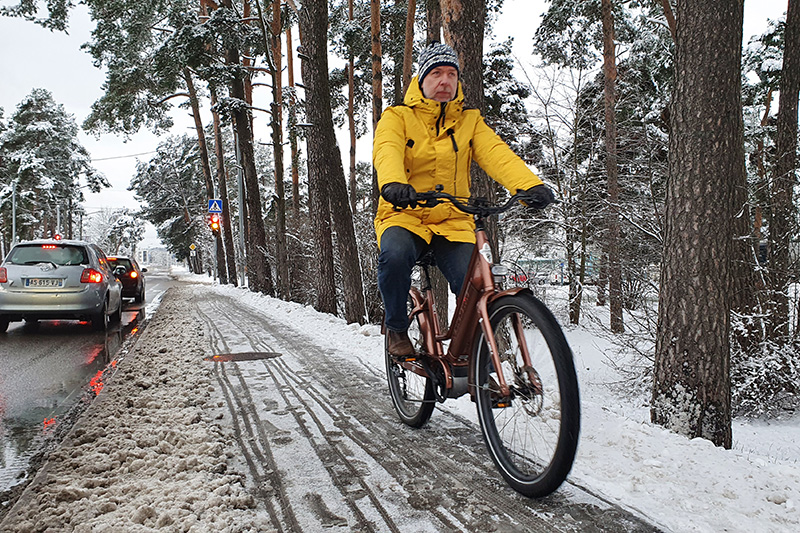
Rain, sleet, ice, mud, darkness – even the most passionate cyclist needs determination and resilience in autumn, and especially in winter, to avoid throwing in the towel on cycling.
Did you know you can ride an electric bike in winter too?
With the right equipment and a few little tricks, you can enjoy riding an electric bike in winter and during those uncomfortable months when the weather is pretty miserable. What's more, if you do everything right, cycling can help you stay fit and healthy throughout the cold months too. That's because riding an electric bike in winter gets your heart working and actively pumping blood around your body, strengthens your immune system, relieves stress and may even spare you your next cold. Bosch eBike Systems offers some tips on what to pay attention to before, during and after your ride.
The right clothing and equipment
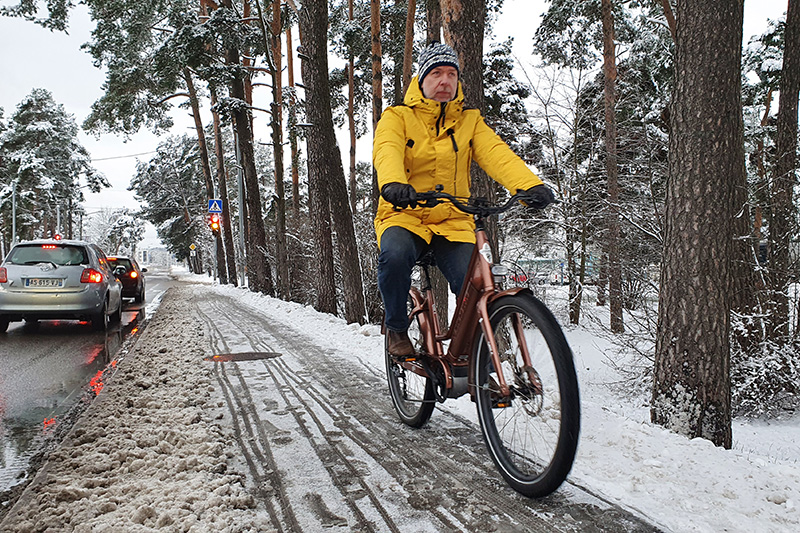
You've probably heard the saying: “There's no such thing as bad weather, only the wrong clothes.” This principle still holds true, even if you're a truly hardy soul who decides to ride your electric bike in winter too – during the darkest months of the year. Dressing in layers will prepare you for whatever life (and the weather) throws at you. The base layer should consist of functional clothing that wicks moisture away from your body. Windproof and waterproof outerwear provides an excellent protective layer. To keep your fingers from freezing and ensure sensitive control of the brake levers, you should invest in a good pair of winter gloves. We recommend wearing a safe and, why not, stylish helmet, but in winter you should also wear a thin hat underneath it. A good bike helmet is easy to adjust, so there should be enough room for a hat underneath. If the cold winter air makes your eyes water, protective glasses can help. There are various solutions for rain or snow too: for example, you can buy capes, helmet rain covers, various waterproof overtrousers and waterproof shoe covers. This equipment will keep you dry until you reach your destination.
Preparing your electric bike for autumn and winter
Even the best cycling equipment is no use if your electric bike isn't in good shape. In winter, an electric bike with wider tyres definitely has an advantage, and those tyres should have a good protective layer inside. Electra electric bike tyres, for example, have a Kevlar protective layer, which makes them much more puncture-resistant than ordinary tyres. The tyre tread must not be too worn. Studded tyres are a great help when the road is icy and snowy. When riding an electric bike, you don't need to worry about rain or puddles, as they won't damage the Bosch motor, battery or other e-bike components in any way. For longer rides in sub-zero temperatures, you can buy a neoprene thermal battery cover.
See and be seen
When riding during the darker months here in our beloved Estonia, it is especially important for e-bike riders to be clearly visible to other road users. The law requires both regular bicycles and electric bikes to have the following additional equipment to improve visibility: a white reflector at the front, a red reflector at the rear, and a yellow or white reflector on both sides of at least one wheel. In the dark or in poor visibility, a bicycle must have a white light on at the front and a red light on at the rear. Electra electric bikes already come with LED lights as standard, as well as reflective strips on both sides of the tyres. To improve visibility, you could wear brightly coloured clothing with reflectors, because reflectors really do make a significant difference to a cyclist's visibility.
Be aware of your electric bike's power
Riding cautiously and attentively on slippery roads is crucial when you're on an electric bike. In difficult road conditions, try to avoid sudden braking and abrupt changes of direction. On snow, ice or fallen leaves, use the front brake with particular care. Avoid both braking and pedalling in tight turns. On slippery surfaces, never start off using the motor's most powerful mode – on Bosch motors, for example, this is Turbo mode. Although you should favour a cycle path when riding a bike (if one is available), use the road instead if the cycle path hasn't been cleared of snow.
Important things to do after your ride
Once you've reached your destination on your electric bike in autumn or winter, the first thing you'll probably want to do is head indoors. That's perfectly understandable. However, there are a few things you should do first:
- if you park your e-bike outdoors in winter, remove the battery and keep it indoors (ideally at a temperature of 15-20 degrees). This also applies to batteries concealed inside the frame, for example on the Townie Path Go! and Vale Go! models. Bosch batteries are designed to be easy to remove and put back, whether they are mounted on the frame or concealed inside it.
- remove the worst of the dirt, such as salt, mud and snow, as soon as possible after your ride. This prevents dirt from sticking to and drying on the bike, which can make it quite a chore to scrub off later.
- to protect your electric bike from the elements and ensure it lasts a long time, try to find a place for it in a garage, storage room or cellar. If you don't have this kind of storage space, be sure to use a bicycle cover.
Preparing your e-bike for a winter break
If you do decide to give your electric bike a break during the harshest winter months, we definitely recommend cleaning it and giving it a light lubrication. A little squirt of oil on the chain and a suitable lubricant on exposed metal parts, and your e-bike will thank you with a smooth start in spring. The battery and display should be removed from the electric bike and kept in a dry place at room temperature. It is important to keep the battery's charge level between 30-60 %.