
Lounging, walking or cycling?
If you work in an office and spend most of your working hours sitting, that adds up to 8 hours a day and 40 hours a week. The number of working hours on your monthly timesheet is more or less the same as the number of hours you spend sitting. Though nobody pays you for those.🙂 It’s horrifying to think that in a single month you sit at work for at least 160 hours, and around 2000 hours a year.
What can you do if sport doesn’t appeal to you?
You probably think from time to time that you should get more exercise outdoors. You’ve even bought the season’s coolest running shoes and good-looking leggings, but you still can’t get into it. You’ve put them on once or twice and taken part in an event or two, but that’s about it. There’s always a good excuse not to exercise. Sometimes you’re just not the sporty type, sometimes you’re not motivated enough, and other times the weather is bad or there’s a good film on TV.
An alternative?
Walking? Why not? It’s undoubtedly the cheapest form of exercise. All you have to do is walk to the door, step outside and … return an hour or an hour and a half later.
Cycling? If you’re not much of a sportsman or sportswoman, you could at least have a comfortable city bike.
How does cycling affect your health?
Comfortable city bikes and so-called comfort bikes or cruisers are excellent for aerobic exercise.
When you ride a good bike, it doesn’t feel like you’re exercising at all.
The US publication The Circulation Journal* has published research findings showing that people who cycle regularly have 15% fewer heart attacks (or myocardial infarctions) than those who don’t cycle.
Another study found that cycling just 32 km a week reduces the risk of heart disease by a full 50 %! So even riding just 4–5 km each day is very good for your health. And let’s be honest, you won’t want to ride such a short distance  especially if you have a cool city bike.
Tips and advice for cycling
In one article Accelerista highlights, for example, a study by Finland’s UKK Institute* on the health effects of short bike rides. Its findings confirm once again that even half an hour of pedalling can make a significant difference to how you feel.
I picked out a few good recommendations from the UKK Institute in that same article to make cycling not just beneficial, but enjoyable too:
- It’s important to feel comfortable in the saddle – your posture should be relaxed, and you shouldn’t feel any extra tension in your muscles.
- Explore new routes! Riding the same route every day gets boring, your body gets used to it, and you won’t get the benefits you’re hoping for.
- If you can muster the energy, do a little warm-up before getting in the saddle – even a couple of minutes of brisk walking or exercises – and after your ride, stretch and bend to give your muscles a rest and release tension from your body.
- Pay more attention to how you feel and less to your heart rate monitor. A heart rate monitor can give wildly inaccurate readings, but how you feel never lies. This was meant to be a pleasant pedal, not a teeth-gritting ride to the death!
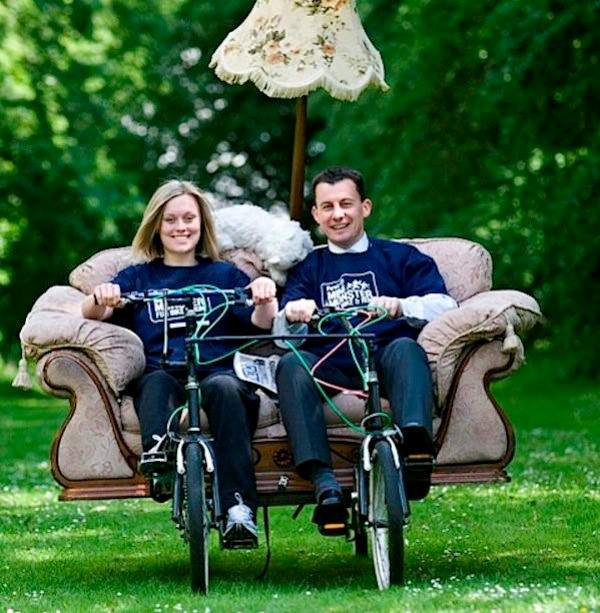
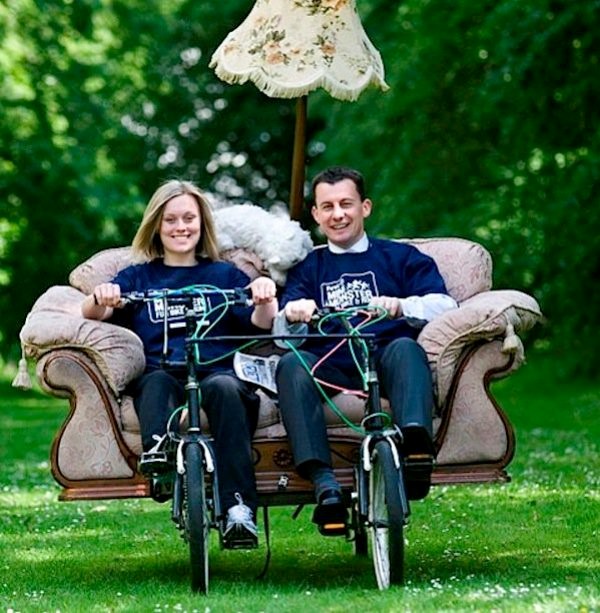
Physical activity has proven to be an effective “medicine” in today’s fast-paced world. Pedalling a comfortable city bike is just as pleasant as sitting on your sofa at home.
On the other hand, cycling gives you plenty of fresh air, perhaps a chance to see someone you know, and positive experiences. Afterwards, you’ll realise how good it was to get outside and move.
Seriously, why not ride a comfortable city bike every day?
When you go for a ride, put on a stylish, practical helmet and attach reflectors. Safety first!
Stay healthy, be visible and stand out!
*The Circulation Journal is a US publication that publishes research trends, reviews, articles and other information related to cardiovascular health and disease, including observational studies, clinical trials, health services research and other outcomes research.
*The UKK Institute’s main aim is to promote a healthy lifestyle, particularly health-enhancing physical activity, and to reduce the number of injuries at home or during leisure activities through research, training and public awareness.